Perspective
The Business Doesn’t Stop for the Shoot
A camera changes how people behave. Part of the photographer’s job is knowing how much to ask of them.
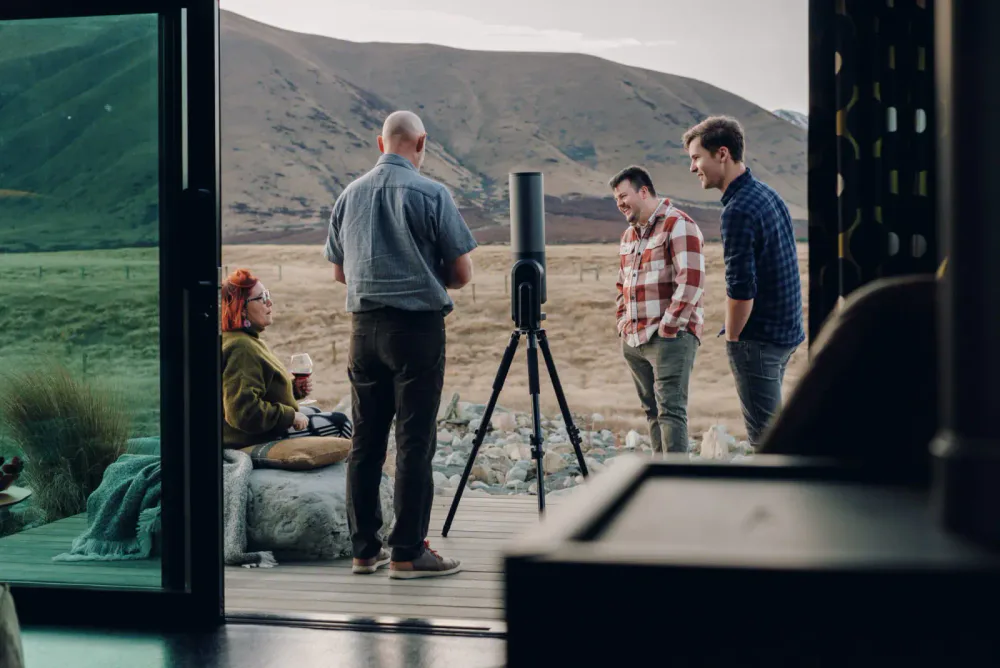
On a recent press-release portrait assignment, I photographed the founder of a Canterbury business who was open about not enjoying being photographed. A useful professional portrait still had to be made.
That is a straightforward requirement, but it puts a responsibility on the photographer. Someone can know their work thoroughly and feel uncertain as soon as they become the subject. They should not also have to work out how to make the photograph happen.
The assignment left me thinking about how much we ask people to take on when a camera arrives. Alongside their actual job, they suddenly have another one: being photographed doing it.
When the Camera Becomes Another Job
In a portrait, that extra work is fairly obvious. Where should I look? What should I do with my hands? Am I supposed to smile?
Giving someone clear direction can be a kindness. Leaving them to guess while calling the approach natural does very little for them.
Across a working business, the same problem can be harder to notice. Staff begin looking for activities that seem worth photographing. A task gets interrupted before it has reached a useful stage. Someone waits for the photographer’s approval before continuing something they normally do without a second thought.
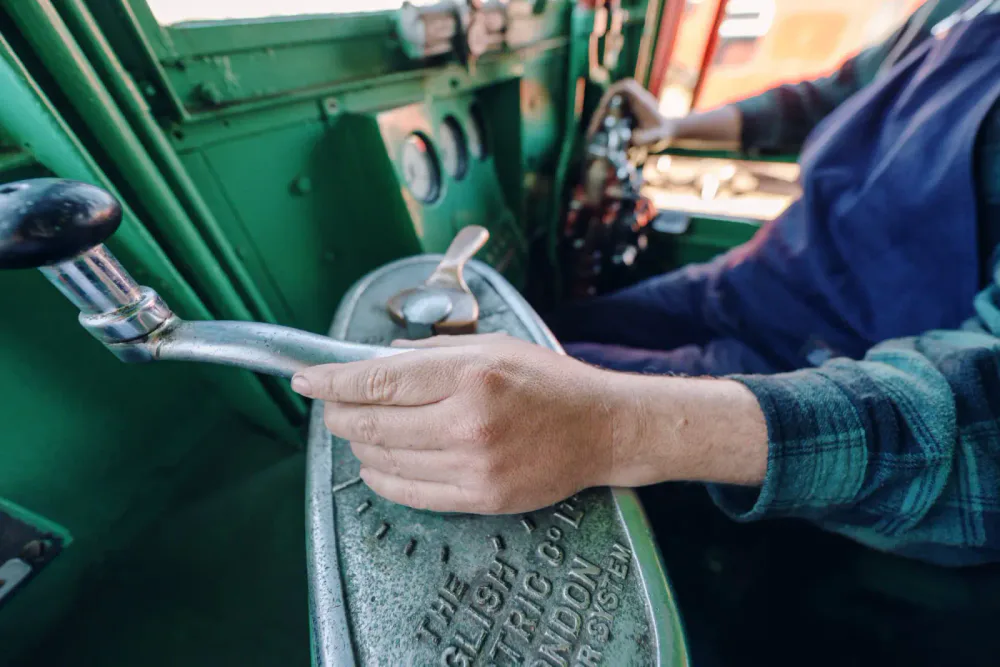
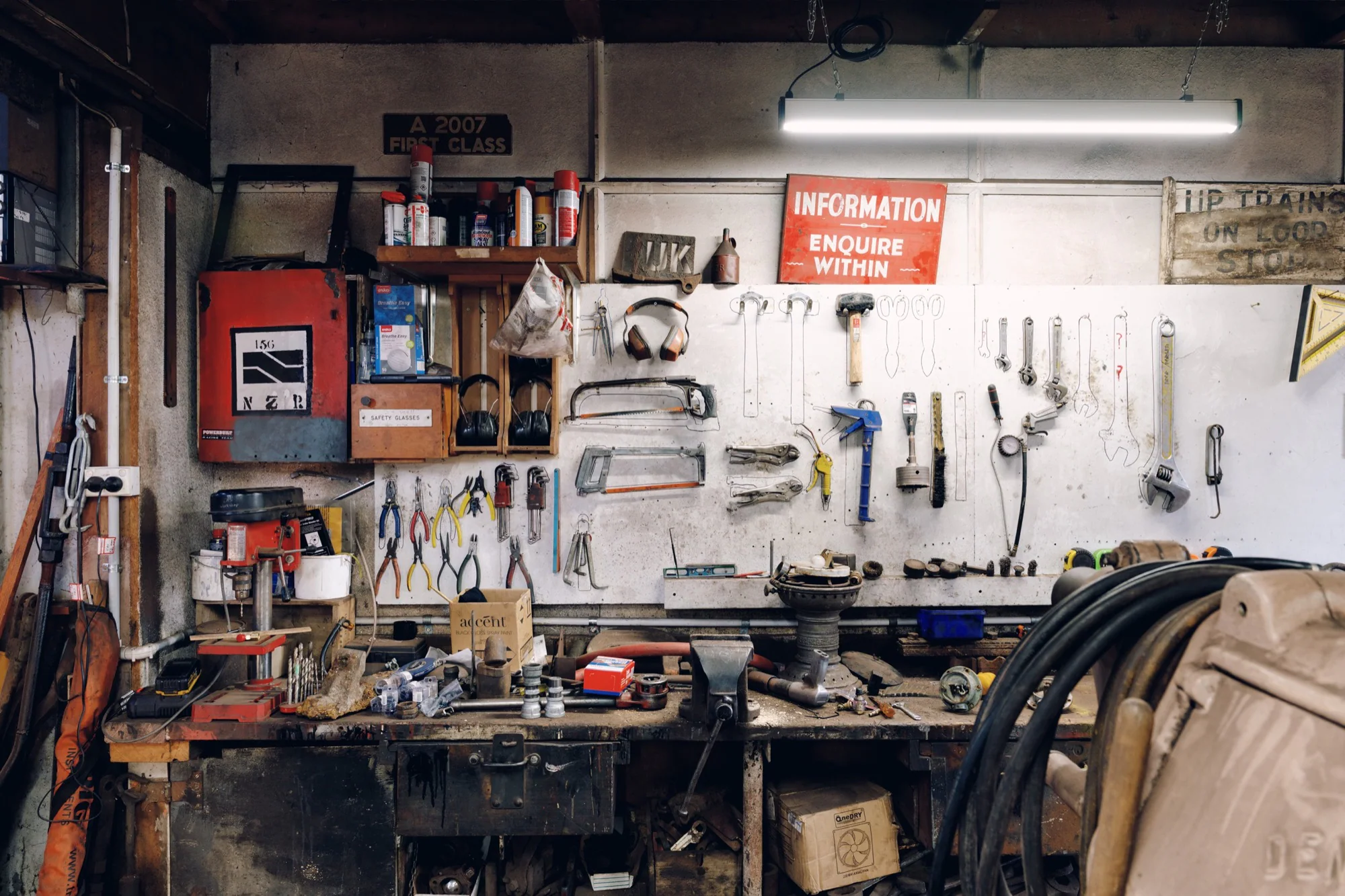
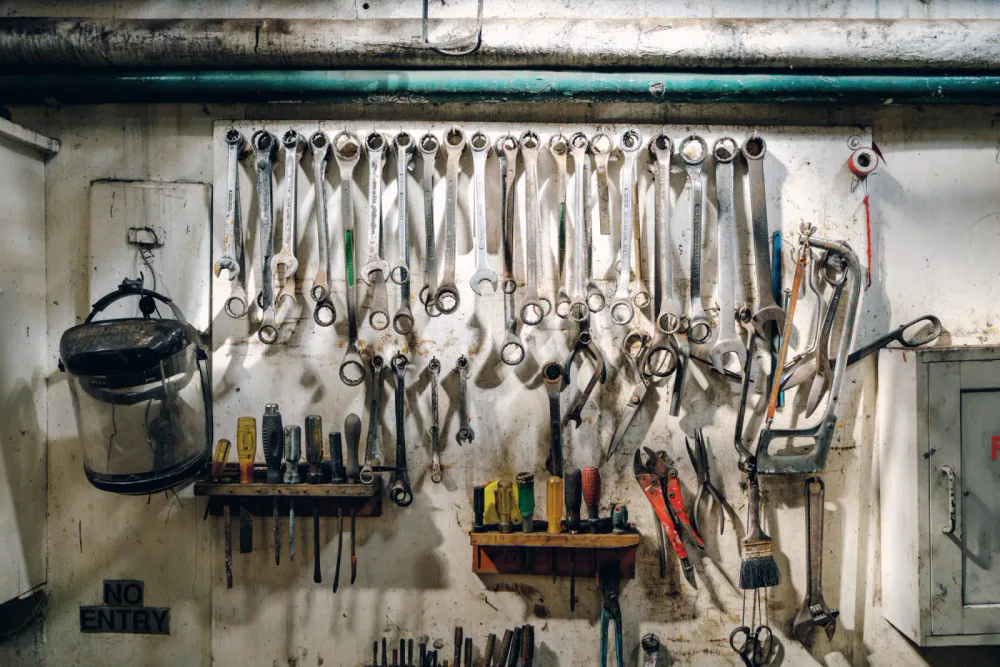
There are versions of this in workshops, kitchens, on building sites and around production equipment. A camera can turn a familiar process into a demonstration. People start attending to how the work looks from the photographer’s position as well as to the work itself.
If every movement depends on my instruction, I may be losing the sequence, judgement or relationship I came to photograph.
A workshop can look busy without showing much about its capability. A hospitality team can look cheerful without revealing how service works. Filling the frame with activity does not necessarily give the viewer more information.
Preparation Should Carry the Burden
The answer begins before photography starts.
I need to understand what the images are for, who will see them and what that person needs to understand. I need to know who is available, which areas I can enter, what cannot be shown and which parts of the operation have fixed timings. The required photographs need a place in the plan.
Those decisions affect the day in concrete ways. If a member of staff can only step away briefly, their portrait needs to be ready to make. If a production stage happens once, I need to understand it before it begins. If the finished image has to fit a particular press layout, that should inform the framing while there is still a chance to make the right photograph.
A useful photography brief carries this information into the shoot. Otherwise, the business ends up supplying it through repeated interruptions while people are trying to work.
Preparation should reduce the number of decisions everyone else has to make for the camera. Once photography begins, there should be less unnecessary urgency, fewer requests to stop and explain, and a clearer sense of when somebody is needed and when they can carry on.
That still takes active photographic work. I can shape the light, choose a position, direct a person or ask for a safe action to be repeated. I can construct a situation that makes an ordinary part of the business easier to photograph: arrange for a product to be used, for example, at a time and place where the use can be seen clearly.
The question is what the intervention is doing for the photograph. Does it help show something the business actually does? Or have we asked people to perform an activity simply because it resembles a business photograph?
Enough Room to Settle
Even with a good plan, people may need time to settle into being photographed.
In a portrait, an expression can change once the person understands what is being asked of them. In a workplace, attention can gradually return to the task. A person stops checking the lens after every movement. Two colleagues resume the small exchanges through which they organise their work.
The pause before a decision. The way something is checked before it moves to the next stage. Who asks whom for a second opinion.
Those details can be difficult to see when every few moments bring another instruction.
I do not think this requires pretending to be invisible. People know the camera is there. The aim is for them to stop having to think about it continuously.
The first technically adequate photograph may arrive before that happens. The exposure is right, the subject is clear and the composition works. It is a usable frame. It may still say less about the person or the work than a photograph made once the situation has settled.
Continuing needs a reason, though. Waiting indefinitely is its own interruption. People have customers, deadlines and tasks that cannot be held open for the possibility of a better expression.
Patience is useful when I can see what another few minutes might allow, and when those minutes fit the job.
The Photograph Still Has Work to Do
This matters commercially because the eventual viewer is trying to understand a business without being there.
A prospective customer may need to see who will do the work and how it is carried out. A recruit may want some sense of the people and environment they would join. A client or stakeholder may need to understand a process that is difficult to explain in a paragraph.
Photographs can help by making specific things visible: a working relationship, a stage of production, the care taken over a detail, the scale of an operation.
They cannot prove every claim a business makes. They can give those claims something concrete to sit beside.
For that to happen, the images still need to work in their intended setting. Faces must be readable. Important details need enough space and light. The required coverage has to be complete. An interesting moment that cannot do the agreed job is not a sufficient result.
Some assignments therefore need close direction throughout. A press portrait may have a short window and a precise requirement. Product photography may depend on controlled light and consistent angles. An accommodation listing needs accurate coverage of rooms and amenities. A platform assignment may be best served by a well-practised, repeatable sequence.
There is no merit in slowing down a method that suits the work. Equally, a schedule that leaves no room for people to settle may be poorly suited to a library intended to show how a business operates.
The method has to follow the purpose of the photographs.
I come back to the person who does not enjoy being photographed. The task is to make a useful portrait without requiring them to become somebody else to make it possible. Clear direction, preparation and enough room to respond are all part of that responsibility.
The same responsibility extends across a business. Its people already have work to do, ways of doing it and standards they care about.
Good commercial photography should make those things easier to see, without requiring the business to perform an invented version of itself.