Industry Guide
How to prepare an Airbnb for a professional photoshoot
The property should look like itself on a good turnover day. Here is what to finish, clean, remove, set out and leave alone before the photographer arrives.
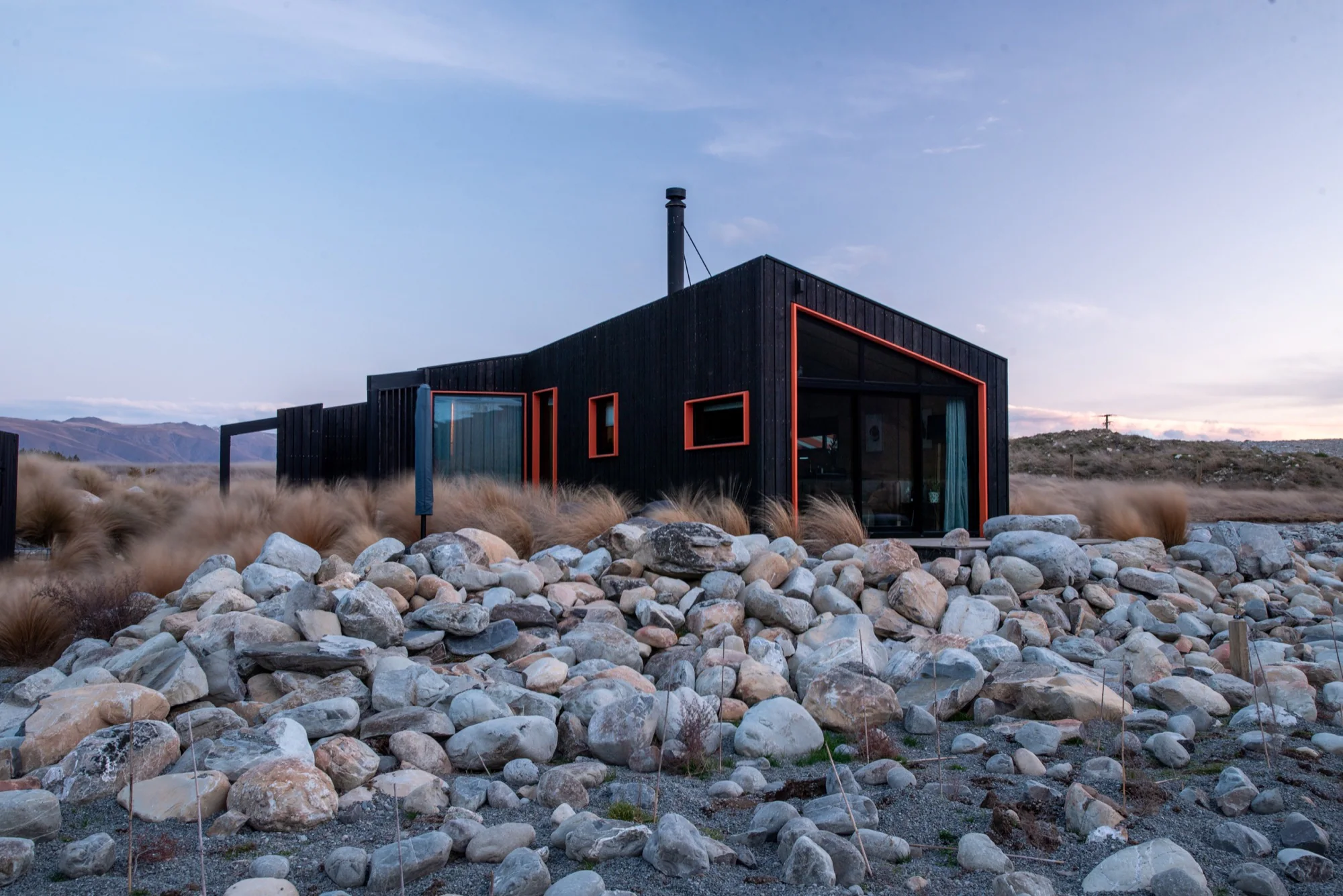
An accommodation property can be clean and still not be ready to photograph.
A failed bedside lamp, loose cable or visible spare linen may be minor alone. Together, they make the property feel less considered than it is. At the other extreme, borrowed props and amenities begin promising a different stay.
The aim is not to turn an Airbnb into a showroom. It is to prepare the property as it should be for a guest, then give the photographer enough time and control to make that experience clear.
This guide covers room-by-room preparation, South Island weather and access, shoot-day responsibilities, and what to check before the images go live.
A good preparation keeps the promise honest
The most useful standard is simple: ready for photographs should also mean ready for guests.
If guests will not find something, do not add it for the photograph. If they will depend on something, do not hide it.
Airbnb’s ground rules for hosts require listing pages—including photographs—to accurately describe the property. That makes preparation more than a question of tidiness. The bed configuration, furniture, amenities, access and outdoor areas in the photographs should be what a guest can reasonably expect to find.
The same policy asks hosts to remove images altered with AI or other digital tools when the edit hides damage, adds amenities or otherwise misrepresents the listing. Clean, careful post-production is part of professional photography. Using it to repair a property that was not repaired in real life is not.
Clean windows, straight linen and finished maintenance reveal the normal property more clearly. Borrowed furniture, a false bed configuration or an unavailable amenity changes the offer. Good lighting cannot make that useful.
Before any styling begins, compare the property with its current listing. Confirm:
- the number and type of beds;
- the maximum guest count and amount of seating;
- every stated amenity;
- areas that are private, shared or unavailable;
- parking, stairs, paths and other arrival details;
- any permanent change made since the last photographs.
If the listing and the property disagree, resolve the discrepancy before the shoot. Do not leave it for captions or retouching to explain later.
One to two weeks before: repair first, then style
Photography makes small inconsistencies easier to see. A week or two usually allows time to solve them properly.
Walk the property as a first-time guest
Begin at the road or car park, not in the best room. Follow the route a guest takes: gate, path, steps, entrance, key access, living spaces, bedrooms, bathrooms and outdoor areas.
Look for unfinished maintenance, not just dirt. Check handles, bulbs, crockery, walls, blinds, outdoor cushions, taps, gas bottles and anything temporarily out of service. Repair what matters to the stay. If that cannot be done in time, tell the photographer and decide whether the affected frame should wait.
Outside, tidy to the property’s normal standard, clear storm debris, clean the barbecue and furniture, and deal with bins, hoses, tools and parked vehicles. Leave the landscape recognisable. A rural stay does not need every working trace removed, and a native garden should not be made to resemble a resort.
Decide where the photographs need to work
An Airbnb gallery is one destination, not the entire brief. The same shoot may need to support a direct-booking website, Google Business Profile, press, social updates, printed guest material or a property-management portfolio.
If an independent website is part of the work, the guide to website photography for Christchurch and Canterbury businesses explains the wider evidence it may need beyond a booking gallery.
Share those destinations before the day. A website hero may need a wide frame with clear space for a heading. A booking card needs an immediate, readable cover image. A room page needs descriptive coverage. Social and editorial uses may need vertical versions and human details.
If the photographs have several jobs, use the commercial photography brief to record the audience, priorities, crops, deliverables and usage. It is easier to make the variations while the property is ready than to manufacture them from one composition later.
Confirm the image licence at the same time. Rights arranged through one programme do not automatically cover every other channel. Airbnb’s current guidance for images made through its own professional-photography programme, for example, says those photographs are for personal use and cannot be used on another real-estate or rental site. An independently commissioned shoot has its own written agreement. Tell the photographer every intended use rather than assuming that “professional photographs” means unrestricted use everywhere.
Tell the photographer what cannot be inferred
Explain why guests actually choose the property: perhaps privacy, trail access, a generous kitchen, a particular view, space for two families or a nearby host.
Explain difficult parking, a shared drive, narrow stairs, adjacent building work, strong glare, restricted rooms or seasonal amenities too. These are production facts, not marketing failures. Early information prevents lost time and helps the photographer show the property honestly.
Prepare the property room by room
Finish the whole property before the photographer arrives. Preparing one room while another is being photographed sounds efficient, but it restricts angles, interrupts the sequence and makes it harder to show how spaces connect.
Arrival and exterior
The exterior does two jobs: it identifies the property and helps a guest understand arrival.
- Clear temporary vehicles, rubbish, cleaning equipment and loose garden tools from planned views.
- Sweep paths, decks and entrances; clean outdoor furniture and glass.
- Check the house number, gate, key box and exterior lights if they form part of arrival.
- Set out only furniture, cushions, firewood or equipment that guests normally receive.
- Tell the photographer about boundaries, shared areas, neighbouring privacy and whether any aerial photography is permitted and safe.
- Make steps, slopes and the relationship between parking and entrance visible where they are material to the stay.
Do not sacrifice practical clarity for one heroic exterior. A beautiful building can still leave guests uncertain about which door to use.
Living and dining spaces
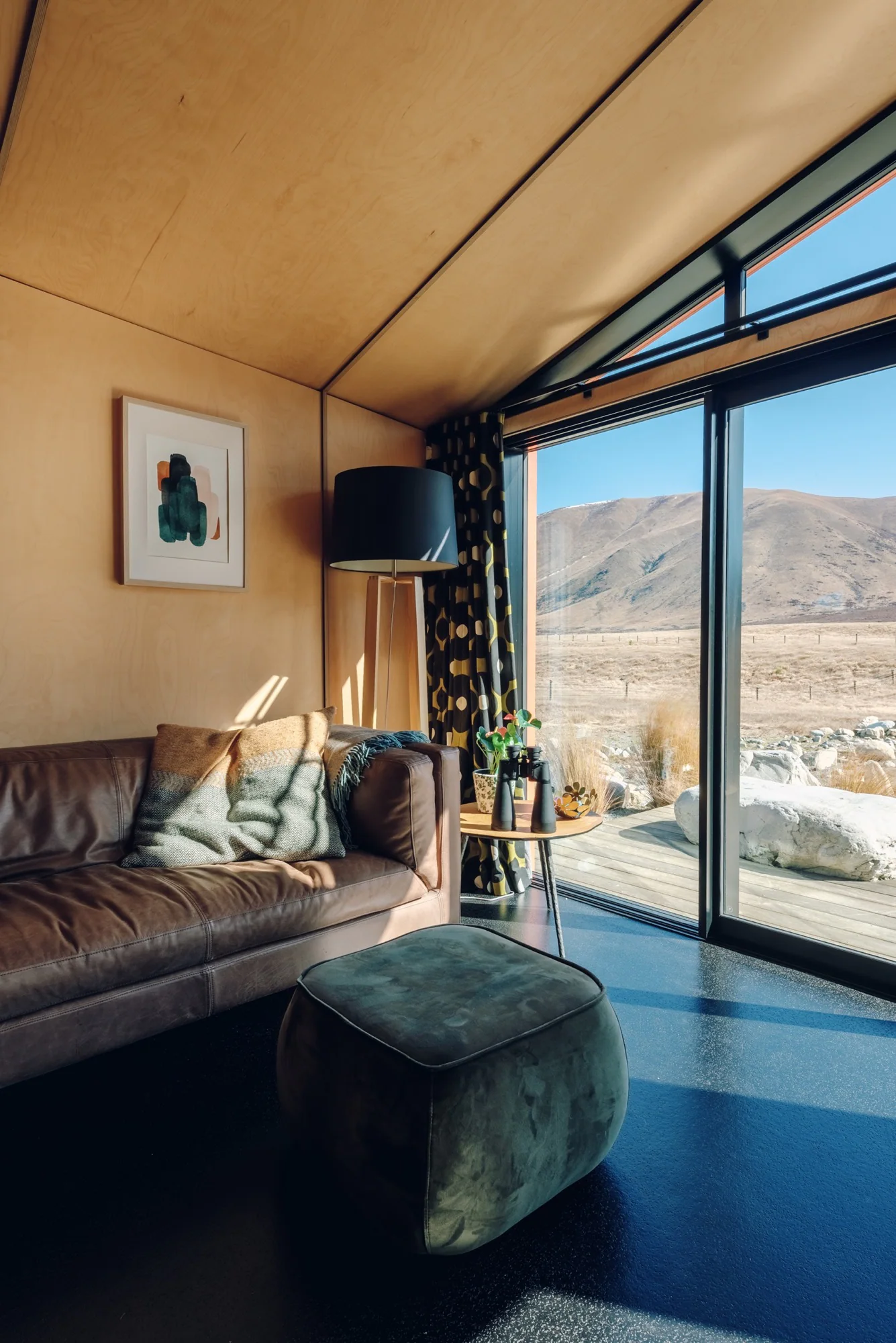
Arrange the room as guests will find it, not for the widest possible camera angle. Do not remove dining chairs simply to make the room look larger. If six people can stay but only four can dine together, the photographs and listing should make that clear.
Straighten rugs, cushions and curtains. Clean screens, windows, tables and reflective surfaces. Put remotes, chargers, instruction cards and games where they would normally be presented neatly to a guest. Hide owner paperwork, personal photographs, excess ornaments and spare supplies that are not part of the stay.
Keep some evidence of use. A book, a prepared fire, a board game or cups in the kitchen can help explain how the room works when those things genuinely belong there. The distinction is between an intentional detail and leftover clutter.
Kitchen
The kitchen should show what a guest can use and how much room they have to use it.
- Clean benches, splashbacks, sinks, taps, appliance fronts and anything stored in the open.
- Remove dish racks, used cloths, rubbish, unrelated food and the cleaner’s products.
- Group the tea, coffee and pantry basics that are actually supplied.
- Check matching crockery and glassware, and remove visibly chipped or damaged pieces.
- Clear enough bench space to show scale without making the kitchen look unequipped.
- If a breakfast or welcome provision is photographed, make sure it represents the normal booking rather than a one-off prop.
Do not fill every surface to signal generosity. A guest comparing properties also needs to see where they can put a bag of groceries and prepare a meal.
Bedrooms
Make each bed in the configuration guests will book, using clean, well-fitting linen and the usual pillows. Smooth major creases, align bedside furniture, clear clothing and cables, and check what is visible through doors and wardrobes. Keep useful permanent items such as reading lights, luggage racks and heating controls in view.
If a sofa bed or split bed matters, consider a second, clearly labelled setup rather than asking one photograph to imply both.
Check that lamps work and bulbs are reasonably consistent. Whether they are switched on for the photograph is a lighting decision to make with the photographer, not a final cleaning task.
Bathrooms and laundry
Bathrooms expose rushed preparation quickly. Clean mirrors, glass, taps, grout, drains and the base of the toilet; close the lid; remove personal products, cleaning chemicals and half-used consumables.
Present towels and amenities in the quantity and quality guests normally receive. Do not introduce premium products for the photograph if they will be replaced by something different. If laundry access is advertised, show the usable machines and working area rather than hiding them behind baskets and owner storage.
Features guests may book for
A fireplace, hot tub, barbecue, workspace, EV charger, bike storage, cot or accessible feature can influence a booking. Prepare each as carefully as a bedroom.
Confirm it is available, safe and operating as described. Show enough surrounding space to explain access. Put any advance notice, extra fee or seasonal restriction in the listing rather than relying on the photograph alone.
For accessibility features, context matters. Airbnb’s accessibility photography guide recommends clear views, several angles where needed and a tape measure to demonstrate dimensions. A tight photograph of a grab rail does not explain the approach, transfer space or route through the room.
Show the layout, not a collection of attractive corners
A strong gallery needs complete coverage before it needs decorative details.
Airbnb’s photo-tour guidance says every room and space should have at least one photograph, with sleeping arrangements, amenities and accessibility features assigned to the relevant room. Its current layout also gives particular prominence to the first five images.
That suggests a sensible order of work:
- Make a clear establishing view of every advertised space.
- Add angles that explain layout, scale and the relationship between rooms.
- Photograph important amenities and limitations in context.
- Make closer details that carry atmosphere and character.
- Plan a cover and opening sequence that represent the whole stay, not only its most dramatic corner.
Frames through doorways and a consistent walking sequence can explain more than another isolated wide angle. Use captions to identify rooms, relationships, private areas and where a view is actually seen from.
The aim is not to publish every delivered frame. It is to give the final edit enough evidence to answer a guest’s practical questions without exhausting them.
Plan for Canterbury and South Island conditions
Light, weather and access are part of the production rather than decorative concerns.
A Banks Peninsula home, alpine cabin, central Christchurch apartment and rural Canterbury cottage do not share one useful schedule. Sun direction, nearby hills and buildings, season, frost and wind all affect when the important frames should be made.
If guests choose the property for an evening deck, scheduling every exterior in hard late-morning light misses the point. If cloud removes the view, decide whether interior work can continue and whether a return is realistic. Weather need not be perfect, but it should support an accurate reading of the place.
For remote properties, send precise directions and confirm gates, keys, alarms, parking, road conditions, mobile coverage and an access contact. If a track, beach or lake matters to the stay, confirm what can be photographed lawfully and safely and whether travel is inside the brief.
Seasonal photographs should remain legible as seasonal. A winter fire, summer outdoor table or snow-covered approach can be useful, but one season should not be presented as a year-round guarantee. A broader library can show how the stay changes rather than pretending it does not.
Decide whether people belong in the photographs
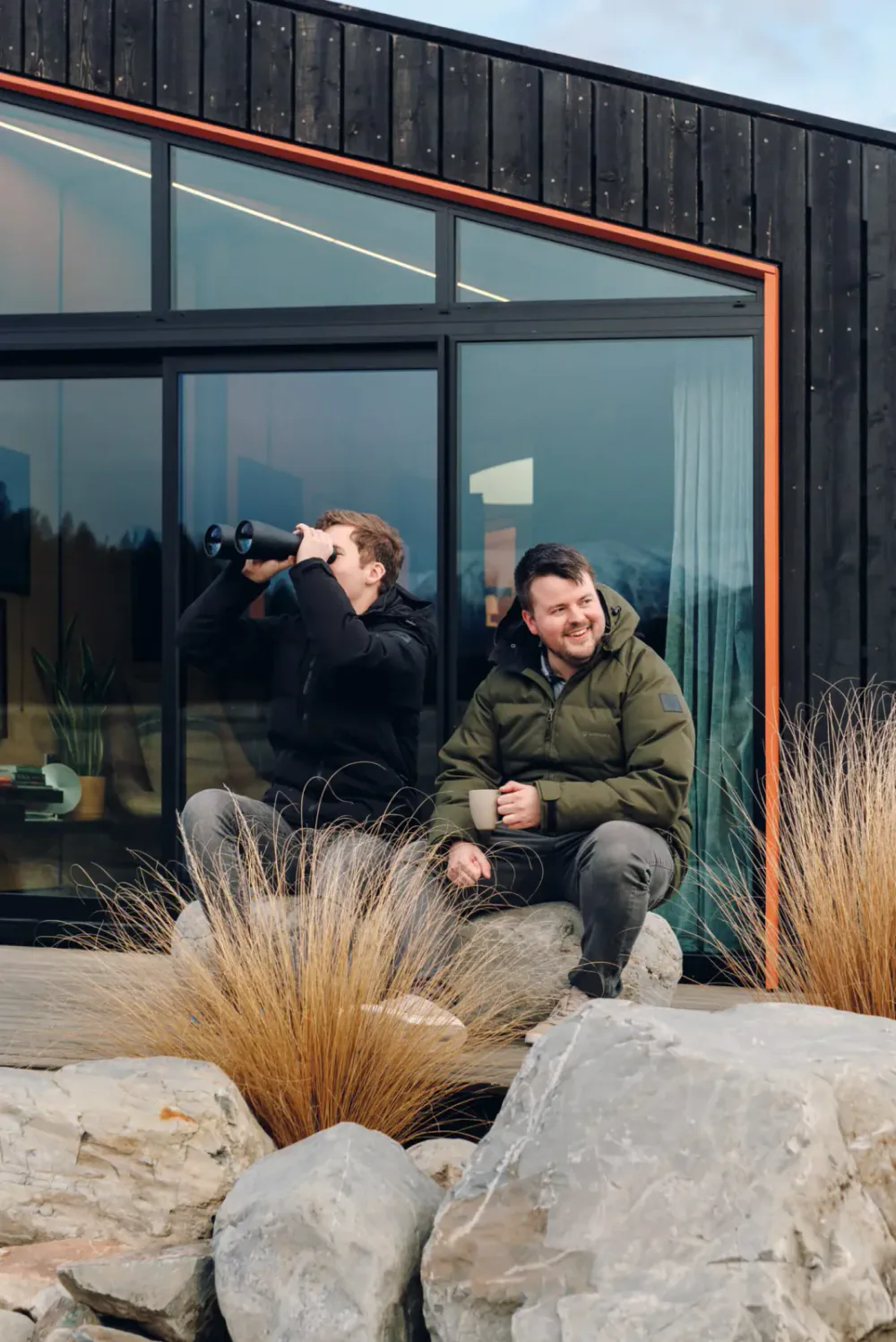
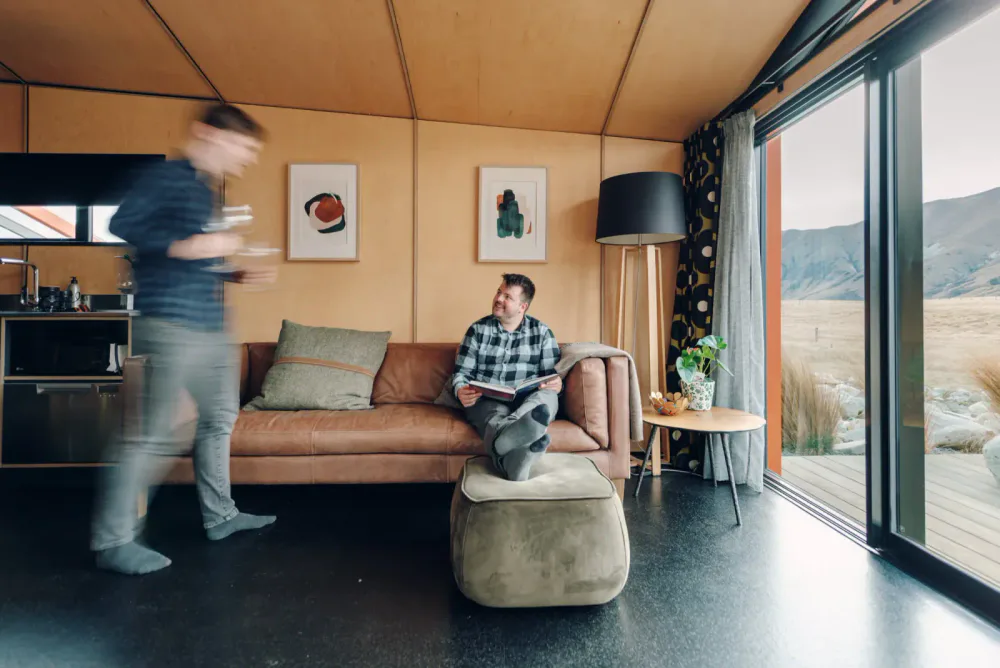
Property-only images explain rooms. People can explain scale, pace and use.
A person reading beside the window, cooking or walking into the landscape may help a guest imagine the stay. Lifestyle frames can also make a room harder to assess, so pair them with clear property-only views.
Use people to perform credible actions, not to add generic luxury. A staged bottle of Champagne, a bath filled for nobody or breakfast covering every surface can imply inclusions and service the host does not provide.
Anyone who is identifiable should understand where the images may be published and what they will be asked to do. Obtain informed permission from identifiable adults and, for children, a parent or guardian; record the intended uses and arrange timing before the day. The New Zealand Office of the Privacy Commissioner has current guidance on using photographs in advertising; written agreement keeps the intended use clear.
The day before: complete the guest-ready reset
The final day is for cleaning, presentation and confirmation—not a redesign.
- Complete the final clean and guest-ready reset described above.
- Remove valuables, access codes and other private information from view.
- Confirm the forecast, access, parking, photographer arrival and decision-maker.
- Prevent cleaners, maintenance, deliveries and early arrivals from overlapping the shoot.
- Walk every camera-facing area once more, including the view through windows and open doors.
Take quick reference photographs after the reset if furniture or amenities may be moved during the shoot. They will help return the property to its guest-ready arrangement before the team leaves.
On shoot day: give the photographer a finished property
Have the property vacant and ready at the agreed time. Pets should be elsewhere unless they are deliberately part of the brief. Share keys, alarm details and access instructions through the agreed secure channel. Identify fragile objects, private cupboards, neighbouring boundaries and any feature that needs special handling.
Begin with a short walk-through. Confirm priority spaces, limitations, light, required crops and anything changed since planning. Then let the photographer decide the sequence.
A photographer will usually refine chair positions, curtains, cushions and small objects for a frame. They should not have to spend the booked photography window finishing a turnover, moving personal storage between rooms or waiting for repairs.
Follow the lighting instructions for the specific commission. Airbnb’s current preparation guide for its own professional-photography programme asks hosts to open blinds and curtains, declutter and prepare the property before the photographer arrives. Its programme process uses natural light only, without flash, and schedules photography during daylight. An independently commissioned photographer may plan practical lamps or controlled lighting as well. Replace bad bulbs beforehand, then leave the switches to the agreed approach.
Keep one person available for factual questions and decisions that affect how the property is represented. They need not direct every composition, but should be able to confirm whether an item is normally included or a door leads to a guest area.
Before the photographer leaves, check coverage rather than judging a final edit from the back of the camera. Confirm that every room, important amenity, access requirement, orientation and planned crop has been addressed.
Before the new photographs go live
The final selection should help a prospective guest understand the stay in a sensible order.
Check the edited gallery against the property and listing:
- Is every photographed room still available in that configuration?
- Are important stairs, shared areas and access conditions understandable?
- Do the first images represent the whole property rather than one exceptional detail?
- Is there unnecessary repetition that delays useful information?
- Do captions and room assignments identify spaces accurately?
- Are website crops usable on desktop and mobile?
- Have people, artwork, personal information and neighbouring property been handled as agreed?
- Are any old photographs now contradicting the new set?
Do not mix generations merely to lengthen the gallery. A new bedroom beside an outdated living room with different furniture creates uncertainty.
Airbnb also separates captions from visual descriptions. Use captions for relevant facts the image cannot show; use the visual-description field for a brief, objective account of what it can. Its current visual-description guidance recommends putting important visible details first and keeping the description under 250 characters. This is an accessibility task, not a place to repeat search phrases.
Photographs also need maintenance. Review them after renovations, changes in bed configuration, removed amenities, landscaping work or a substantial change in management and service. An honest photograph becomes misleading when the property moves on and the listing does not.
The Airbnb photoshoot checklist
Use this from planning through publication.
Property and accuracy
- [ ] Listing, bed configuration, guest capacity and amenities checked against the property
- [ ] Repairs and failed bulbs completed
- [ ] Private, shared and unavailable areas identified
- [ ] Seasonal or temporarily unavailable features disclosed
- [ ] Only normal guest inclusions will appear
Rooms
- [ ] Every advertised room is clean and completely prepared
- [ ] Beds use the bookable configuration and normal linen
- [ ] Bathrooms, mirrors, glass and appliance fronts are clean
- [ ] Kitchen shows the equipment and provisions guests actually receive
- [ ] Seating and dining arrangements match the advertised capacity
- [ ] Owner belongings, cleaning supplies, rubbish and accidental clutter are removed
Exterior and access
- [ ] Paths, decks, outdoor furniture and entrance are ready
- [ ] Temporary cars, bins, hoses and tools are moved from planned views
- [ ] Parking, gates, keys, alarms and directions are confirmed
- [ ] Weather, daylight and any return plan are agreed
- [ ] Boundaries, hazards and neighbouring privacy are explained
Brief and people
- [ ] Airbnb, website, Google, press and social image needs are listed
- [ ] Intended uses and image licence are confirmed in writing
- [ ] Priority rooms, amenities, crops and orientations are agreed
- [ ] People appearing are briefed and permission is recorded
- [ ] One host or manager is available for factual decisions
- [ ] Cleaner, maintenance, deliveries and guest arrival do not overlap the shoot
Before wrap
- [ ] Every room and key feature has descriptive coverage
- [ ] Layout, arrival and access questions are addressed
- [ ] Cover image and first-gallery sequence are planned and captured
- [ ] Required horizontal and vertical variations are captured
- [ ] Property is returned to its guest-ready setup
After delivery
- [ ] Room assignments, captions and visual descriptions are accurate
- [ ] Cover and first-five sequence represent the whole stay
- [ ] Old images that contradict the new set are removed
- [ ] Final listing is checked on desktop and mobile
Prepare the property to look like itself on a very good day
The best preparation is thorough but difficult to notice in the final photographs. The windows are clean, the linen sits properly, the route through the property makes sense and nothing accidental is competing for attention. What remains is the actual reason somebody would choose this stay.
That is also where a documentary-rooted approach becomes useful. Accommodation photography needs control, but it should still notice how the place feels to arrive at, move through and use. The objective is not an empty catalogue of rooms. It is a clear, truthful account of a particular stay.
Kerosene provides accommodation photography in Christchurch, Canterbury and across the South Island, including property, people, details and the wider experience in one coherent image library. If a property is ready for new photographs, send the listing, location and practical constraints.